Fashion
Avant Garde Fashion Explained: A Beginner’s Guide to Cutting-Edge Style

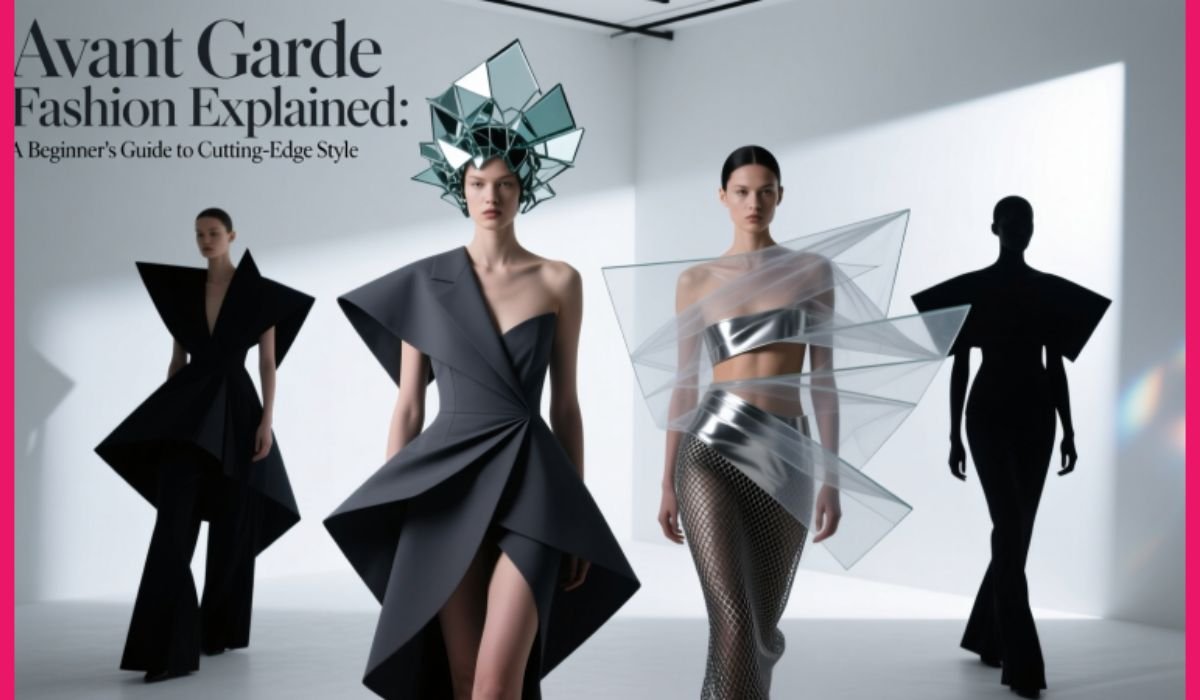
Introduction To Avant Garde Fashion
Avant Garde Fashion Has Long Been The Vanguard Of Innovation In Clothing, Pushing The Boundaries Of Traditional Style And Design. Unlike Mainstream Fashion Trends That Often Follow Predictable Patterns, Avant Garde Fashion Embraces Experimentation, Creativity, And Artistic Expression. The Term “Avant Garde” Originates From The French Military Concept Of The “Advance Guard,” Signifying Boldness, Innovation, And The Drive To Move Ahead Of The Norm. In Fashion, This Philosophy Translates Into Garments That Challenge Conventional Ideas Of Beauty, Structure, And Functionality. Today, Avant Garde Fashion Is Celebrated Worldwide For Its Role In Revolutionizing Style, Inspiring Artists, And Encouraging Individuals To Express Their Unique Identities Through Clothing. This Guide Will Take You Through Its History, Key Designers, Styles, Cultural Impact, And Practical Ways To Explore Cutting-Edge Fashion.
Quick Bio Information
Avant Garde Fashion Emerged In Early 20th Century Europe
Pioneered By Designers Like Paul Poiret And Elsa Schiaparelli
Influenced By Surrealism, Dada, Bauhaus, And Modernist Art
Noted For Asymmetry, Bold Colors, And Unconventional Materials
Celebrated As Wearable Art And Exhibited In Museums Globally
Often Challenges Gender Norms And Social Conventions
Popularized By Designers Rei Kawakubo, Yohji Yamamoto, And Martin Margiela
Integrated Into Pop Culture, Media, And Celebrity Styling
Global Reach Enabled By Technology, Fashion Weeks, And Social Media
Encourages Individual Expression And Conceptual Experimentation
The History Of Avant Garde Fashion
The History Of Avant Garde Fashion Is Deeply Rooted In The Modernist Movements Of The Early 20th Century. Designers Began To Reject Traditional Garments, Experimenting With New Silhouettes, Materials, And Techniques That Defied Conventional Expectations. Paul Poiret, Often Credited As One Of The Pioneers, Freed Women From The Corset And Introduced Flowing, Artistic Draperies That Reshaped Fashion Norms. Elsa Schiaparelli Brought Surrealist Art To Life Through Clothing, Collaborating With Artists Like Salvador Dalí To Create Garments That Were Both Imaginative And Provocative. The Influence Of Avant Garde Fashion Extended Beyond France, Spreading Across Europe And America, Where Designers Began To Integrate Abstract Expressionism, Bauhaus Principles, And Futurism Into Their Work. These Early Experiments Established A Foundation For The Radical And Conceptual Styles That Continue To Define Avant Garde Fashion Today.
Key Designers Who Shaped Avant Garde Fashion
Avant Garde Fashion Has Been Defined By Visionary Designers Who Dared To Break Rules. Coco Chanel Introduced Minimalism And Comfort With Her Iconic Jersey Suits And Little Black Dress, Offering Women A Practical Yet Stylish Alternative To Ornamental Clothing. Rei Kawakubo Of Comme Des Garçons Revolutionized Fabric Manipulation And Abstract Silhouettes, Creating Collections That Seemed Both Wearable And Sculptural. Yohji Yamamoto Blended Traditional Japanese Aesthetics With Modern Experimentation, Emphasizing Asymmetry And Layering. Martin Margiela Introduced Deconstruction, Reimagining Classic Garments By Exposing Seams And Playing With Form. These Designers Show That Avant Garde Fashion Is Not Merely About Bold Appearance; It Is About Challenging Perception, Stimulating Thought, And Encouraging Individual Expression.
Artistic Movements That Inspired Avant Garde Fashion
Avant Garde Fashion Cannot Be Understood Without Recognizing Its Deep Connections To Art. Movements Like Surrealism And Dada Influenced Designers To Embrace Absurdity, Playfulness, And Non-Traditional Forms. The Bauhaus Philosophy Promoted Integration Between Art, Craft, And Design, Encouraging Functional Yet Visually Stunning Garments. Abstract Expressionism Introduced Spontaneity And Emotional Intensity, Inspiring Designers To Treat Fashion As A Canvas For Personal And Societal Commentary. Even Steampunk And Cyberpunk Subcultures Draw From Avant Garde Ideals, Using Fashion To Create Alternate Realities And Challenge Conventional Aesthetic Norms. By Merging Art And Clothing, Avant Garde Fashion Continues To Serve As A Visual Dialogue Between Creativity And Culture.
Characteristics Of Avant Garde Style
Avant Garde Fashion Is Recognized By Its Distinctive Traits. Designers Experiment With Asymmetrical Cuts, Exaggerated Silhouettes, Bold Color Palettes, And Unconventional Materials Such As Plastic, Metal, Or Recycled Objects. The Style Often Plays With Scale And Form, Turning The Human Body Into A Living Work Of Art. Unlike Mainstream Fashion, Avant Garde Does Not Seek Mass Appeal; Instead, It Focuses On Conceptual Innovation And Emotional Impact. Even When Garments Appear Impractical Or Abstract, They Represent A Statement, A Vision, Or A Challenge To Traditional Fashion Boundaries. Wearing Avant Garde Fashion Is As Much About Expression And Attitude As It Is About Clothing Itself.
Avant Garde Fashion As Wearable Art
Many Designers Treat Clothing As Wearable Art, Blurring The Line Between Fashion And Sculpture. Exhibitions In Major Museums Highlight The Transformative Power Of Avant Garde Fashion, Presenting Pieces That Are Both Thought-Provoking And Visually Stunning. The Concept Of “Art To Wear” Encourages Viewers To Appreciate Clothing Beyond Functionality, Seeing It As A Medium For Cultural, Political, And Artistic Expression. Avant Garde Fashion Exhibits Often Include Performative Elements, Lighting, And Interactive Components, Allowing Audiences To Experience Garments As Dynamic Creations Rather Than Static Objects. This Approach Reinforces The Idea That Fashion Can Serve As A Platform For Radical Creativity And Societal Commentary.
Breaking Social And Gender Norms Through Fashion
Avant Garde Fashion Has Played A Significant Role In Challenging Social Conventions And Gender Stereotypes. In The Late Nineteenth Century, The Introduction Of Tailor-Made Walking Suits For Women Began To Blur Gender Lines In Clothing. Designers Like Yves Saint Laurent And Jean-Paul Gaultier Expanded On This Concept By Creating Full Menswear-Inspired Collections For Women, Promoting Androgyny And Redefining Masculinity And Femininity In Fashion. Such Innovations Were Closely Linked To Feminist Movements, Empowering Women To Adopt Clothing That Symbolized Freedom, Equality, And Confidence. Today, Androgynous Fashion Remains A Core Aspect Of Avant Garde Style, Encouraging Individuals To Express Identity Beyond Traditional Gender Norms.
Popular Culture And Media Influence
Avant Garde Fashion Has Become Increasingly Visible Through Pop Culture, Media, And Celebrity Influence. Movies, Television Shows, And Music Videos Frequently Showcase Avant Garde Designs, Bringing Experimental Fashion To A Wider Audience. Celebrities Often Serve As Ambassadors For Avant Garde Designers, Wearing Bold Creations At Red Carpet Events And Public Appearances. Social Media Platforms Allow Fashion Enthusiasts To Discover And Share Cutting-Edge Styles, While Online Fashion Forums Encourage Dialogue About Emerging Trends. By Bridging The Gap Between High Fashion And Mainstream Visibility, Media Plays A Vital Role In Sustaining Interest And Driving Awareness Of Avant Garde Fashion Globally.
Globalization And Avant Garde Fashion Today
The Globalization Of Fashion Has Expanded The Reach And Influence Of Avant Garde Design. Technological Advancements, Social Media, And International Fashion Weeks Have Made Cutting-Edge Styles Accessible Beyond Paris, Milan, Or Tokyo. Designers Now Engage With A Worldwide Audience, Influencing Markets Across Europe, Asia, The Americas, And Beyond. In Many Countries, Avant Garde Fashion Serves As A Marker Of Status, Creativity, And Cultural Engagement. From Tokyo Streets Imitating New York Style To Emerging Designers In Latin America Experimenting With Local Materials, Avant Garde Fashion Demonstrates How Global Trends Can Merge With Local Identity To Create Unique, Boundary-Pushing Styles.
How To Recognize And Wear Avant Garde Fashion
For Beginners, Understanding Avant Garde Fashion Begins With Observation. Look For Unusual Silhouettes, Unexpected Materials, And Bold Color Combinations. Start Small With Accessories Or Statement Pieces, Such As Sculptural Shoes, Oversized Bags, Or Asymmetrical Jackets. Mixing Avant Garde Elements With Everyday Clothing Can Create A Balanced Yet Innovative Look. The Key Is Confidence And Willingness To Experiment. Avant Garde Fashion Encourages Individuals To Express Personality, Challenge Conventions, And Use Clothing As A Tool For Self-Expression. Over Time, Familiarity With The Style Helps One Identify Subtle Avant Garde Details That Set Cutting-Edge Designs Apart From Mainstream Fashion.
Future Trends In Avant Garde Fashion
Avant Garde Fashion Continues To Evolve, Integrating Technology, Sustainability, And Virtual Innovation. Designers Are Experimenting With Smart Fabrics, 3D-Printed Garments, And Interactive Clothing That Reacts To The Environment. Sustainability Is Driving Creativity, With Recycled Materials, Upcycled Garments, And Ethical Production Methods Becoming Central To Avant Garde Collections. Digital Fashion, Augmented Reality, And Virtual Runways Are Offering New Platforms For Experimentation, Allowing Designers To Push Boundaries Without Physical Limitations. As Culture, Technology, And Environmental Concerns Continue To Shift, Avant Garde Fashion Will Remain At The Forefront Of Innovation, Inspiring Creativity And Challenging The Way We Think About Clothing.
Final Thoughts
Avant Garde Fashion Is More Than A Trend; It Is A Movement That Combines Art, Culture, And Social Commentary Into Wearable Expression. From Historical Pioneers To Contemporary Innovators, This Style Encourages Experimentation, Challenges Norms, And Inspires Individuals To Explore Personal Creativity. Whether Through Surrealist Collaborations, Androgynous Designs, Or Cutting-Edge Materials, Avant Garde Fashion Remains A Symbol Of Boldness And Vision. Understanding Its History, Characteristics, And Global Influence Provides Valuable Insight Into How Fashion Shapes And Reflects Society. By Embracing Avant Garde Fashion, Individuals Can Transform Clothing Into A Medium For Expression, Identity, And Innovation.
FAQs About Avant Garde Fashion
What Is Avant Garde Fashion?
Avant Garde Fashion Refers To Innovative, Experimental Clothing That Challenges Traditional Norms And Incorporates Artistic, Conceptual, Or Unconventional Elements.
Who Are The Most Influential Avant Garde Designers?
Notable Designers Include Coco Chanel, Elsa Schiaparelli, Rei Kawakubo, Yohji Yamamoto, And Martin Margiela, Each Bringing Unique Creativity And Boundary-Pushing Style.
How Is Avant Garde Fashion Different From Mainstream Fashion?
Avant Garde Fashion Prioritizes Innovation, Experimentation, And Conceptual Ideas, Whereas Mainstream Fashion Focuses On Trends, Commercial Appeal, And Practical Wearability.
Can Avant Garde Fashion Be Worn Everyday?
Yes, But Beginners Often Start With Accessories Or Statement Pieces, Gradually Incorporating Bolder Elements Into Everyday Outfits.
What Role Does Art Play In Avant Garde Fashion?
Art Provides Inspiration, Conceptual Frameworks, And Collaboration Opportunities, With Movements Like Surrealism, Bauhaus, And Abstract Expressionism Shaping Avant Garde Designs.
How Has Technology Influenced Avant Garde Fashion?
Digital Innovation, 3D Printing, Smart Fabrics, And Virtual Fashion Platforms Allow Designers To Experiment Beyond Traditional Material Limitations.
Why Is Avant Garde Fashion Important?
It Encourages Creativity, Breaks Social Norms, Inspires Self-Expression, And Pushes The Fashion Industry Toward Innovation And Cultural Reflection.
People Also Read: Inside A Fashion Brand Company: How Style Meets Business

Who Is Chloe Grace Moretz? A Closer Look At Her Life, Career, And Hollywood Journey

Who Is Donatella Versace? The Woman Behind One of Fashion’s Most Iconic Brands

Who Is Bindi Irwin? Inside The Life Of Australia’s Beloved Wildlife Advocate

Who Was Chuck Woolery? A Look At The Life And Legacy Of The Beloved TV Game Show Host

Who Was Drake Hogestyn? Inside The Life And Legacy Of The Days Of Our Lives Star

Who Is Ali Larter? A Closer Look At Her Career, Life, And Legacy

Meet the Young Sheldon Cast Then and Now: Life After the Hit CBS Series

Gilmore Girls Cast Then And Now: Where The Stars Of Stars Hollow Are Today

Who Is Andy Byron? Inside The Life Of The Tech CEO Thrust Into The Spotlight

Who Is Josh Hutcherson? A Friendly Look At His Life, Career, And Rise To Fame
Who Is Chloe Grace Moretz? A Closer Look At Her Life, Career, And Hollywood Journey
Who Is Donatella Versace? The Woman Behind One of Fashion’s Most Iconic Brands
Who Is Bindi Irwin? Inside The Life Of Australia’s Beloved Wildlife Advocate
Who Was Chuck Woolery? A Look At The Life And Legacy Of The Beloved TV Game Show Host
Who Was Drake Hogestyn? Inside The Life And Legacy Of The Days Of Our Lives Star
Who Is Ali Larter? A Closer Look At Her Career, Life, And Legacy
Meet the Young Sheldon Cast Then and Now: Life After the Hit CBS Series
Gilmore Girls Cast Then And Now: Where The Stars Of Stars Hollow Are Today
Who Is Andy Byron? Inside The Life Of The Tech CEO Thrust Into The Spotlight
Who Is Josh Hutcherson? A Friendly Look At His Life, Career, And Rise To Fame

 Celebrity8 months ago
Chris Rock Net Worth: How the Comedy Icon Built His $60 Million Fortune
- digital8 months ago
What Is Simpcity? A Complete Guide For New Users
- Celebrity8 months ago
Eian Burton: Life, Family, and the Story Behind LeVar Burton’s Son
- Entertainment8 months ago
Discover Totallyndfw: Your New Go-To Hub for Fun and Fresh Content